ABOUT THE BOOK
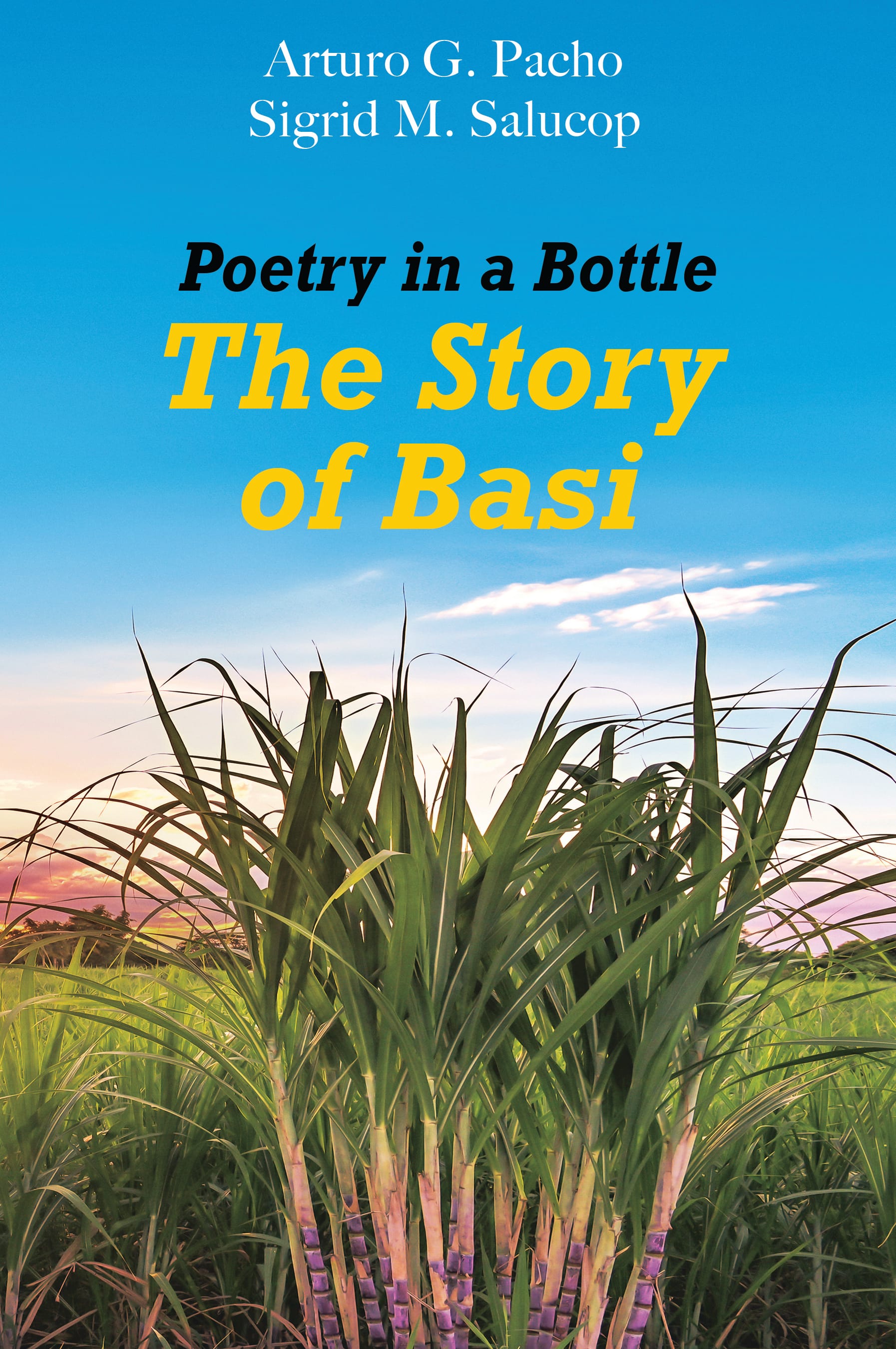
Poetry in a Bottle is the story of the Ilocano basi makers—and of the Filipino–striving to live, persevere through times of harships, and be loved.
This book celebrates the lives of basi winemakers from the distant past and the remnants of their legacy. Their lives are deeply intertwined with the Ilocano sugarcane wine itself, its beauty, its history and culture, and the many inspiring tales attached to it. Form the bloodshed in the fight for justice and liberation, to the intricacies of winemaking, to the modern struggle of basi to remain relevant in the mraketplace, the full story of this heritage wine might offer us answers about its future potential and will touch the very core of what many of us want–freedom, honor, and dignity.
The book covers the process of making basi, the cultural practices in using the wine, literature, poetry and music, the Basi Revolt of 1807, and the economic and bureaucratic challenges in basi making.
ABOUT THE AUTHORS
Arturo G. Pacho is an advocate for artisinal wines. He has written about tuba, known as bahalina—the coconut wine of Leyte, Biliran, and Samar—followed by a book on various tropical wines in the Philippines. His prior studies were on local governments, urban development, and ethnic minority. He studied at the University of the Philippines Diliman and completed his doctoral studies in political science and public policy from Kent State University, Ohio, USA. He also completed a degree in urban and regional planning at Rutgers University in New Jersey, USA. He is from Tacloban City, Leyte.
Sigird M. Salucop is a fourth-generation winemaker from Batac, Ilocos Norte. She is the CEO of Salucop Group Inc., the company that produces the wine brand Basi del Diablo. She received her undergraduate degree in public administration from the University of the Philippines-National College of Public Administration and Governance (UP-NCPAG).